Zanzibar, Treasure Island - 2019
My first encounter with Africa began in Zanzibar, on the eastern edge of the continent, where histories, cultures and oceans seem to fold into one another. In Stone Town, the old soul of the island and birthplace of Freddie Mercury, everything felt alive with movement and contradiction. Narrow alleyways twisted between carved wooden doors, weathered facades and the echo of distant calls to prayer, while markets unfolded in a sensory overload of colour, scent and sound.
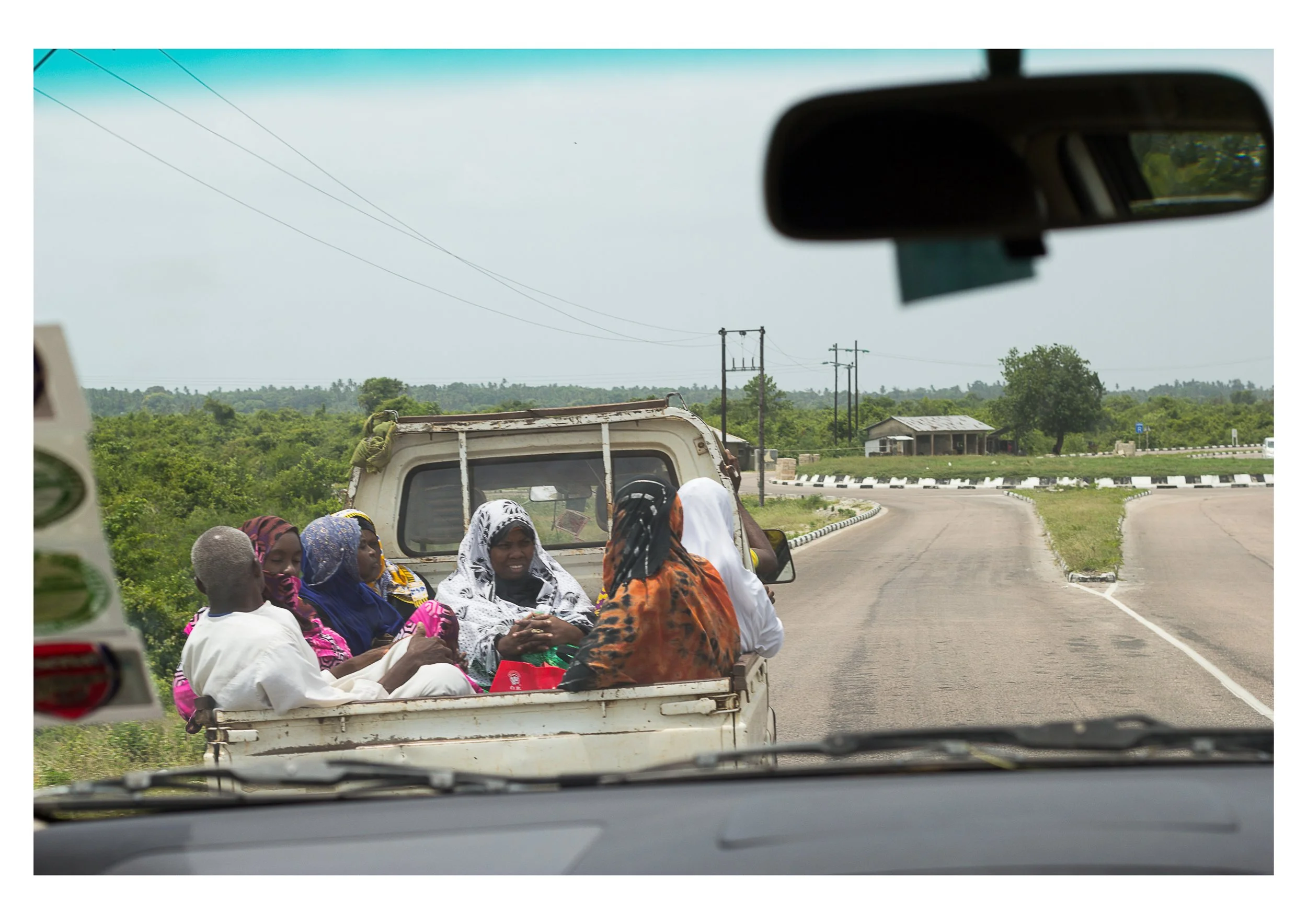
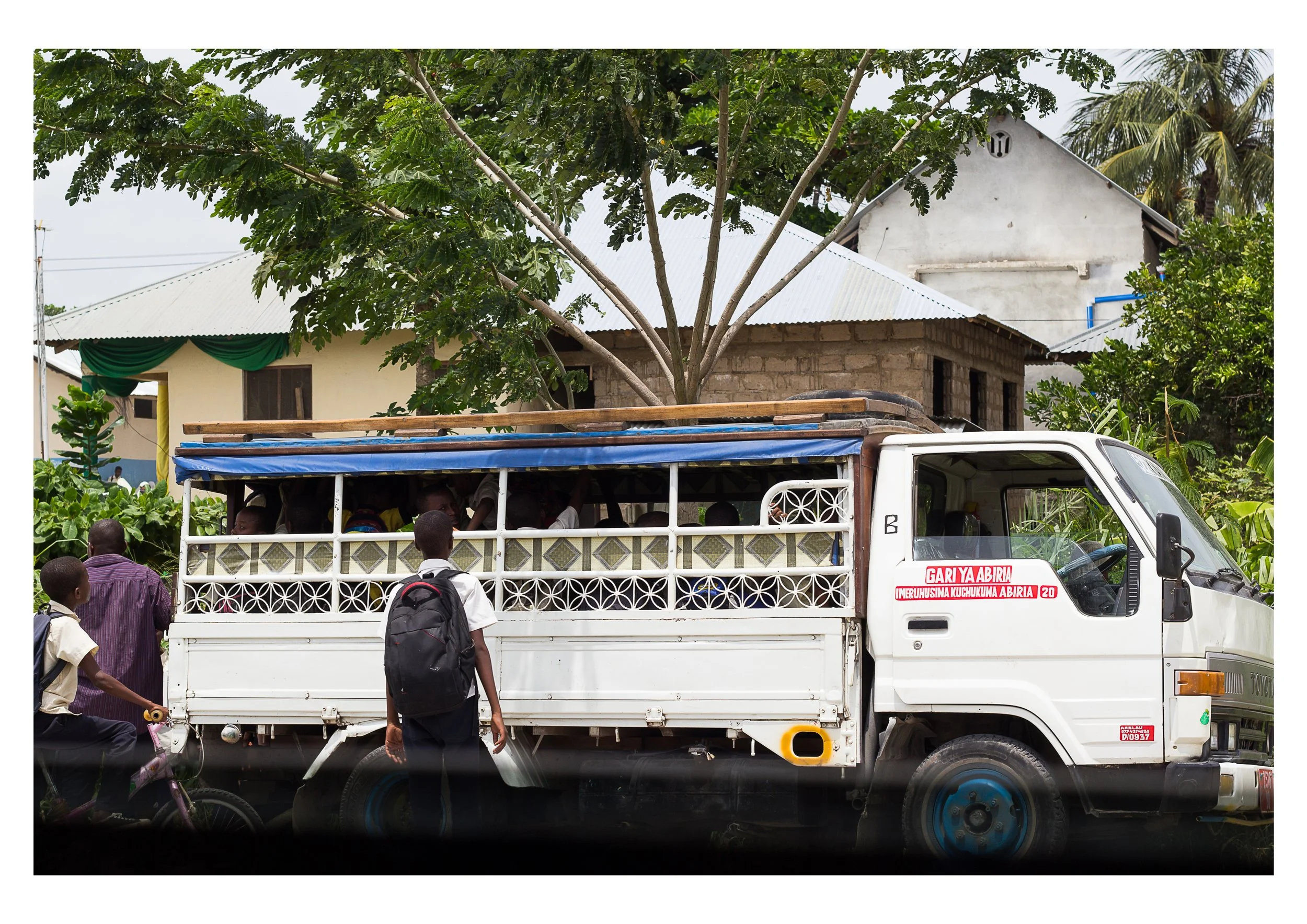
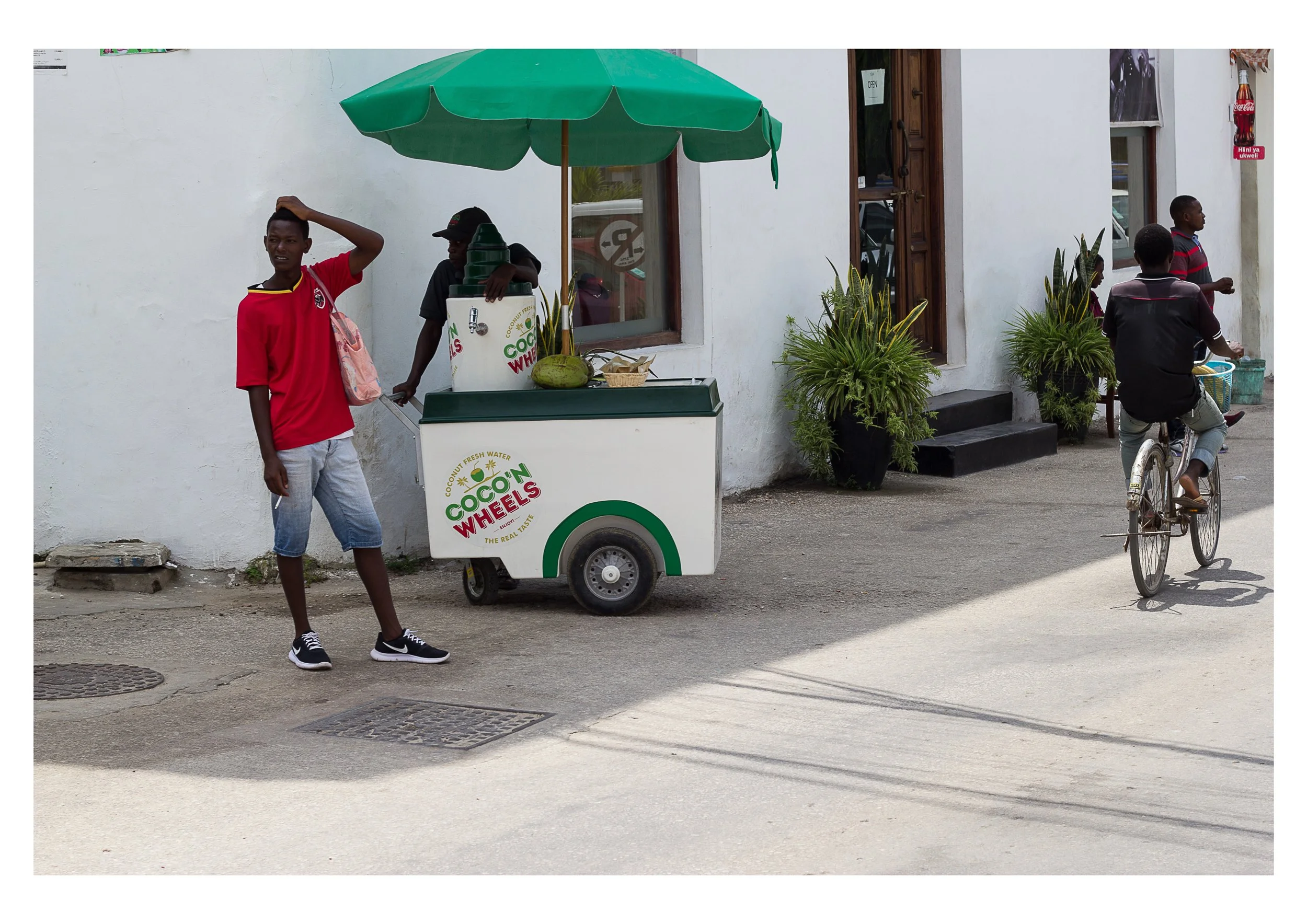
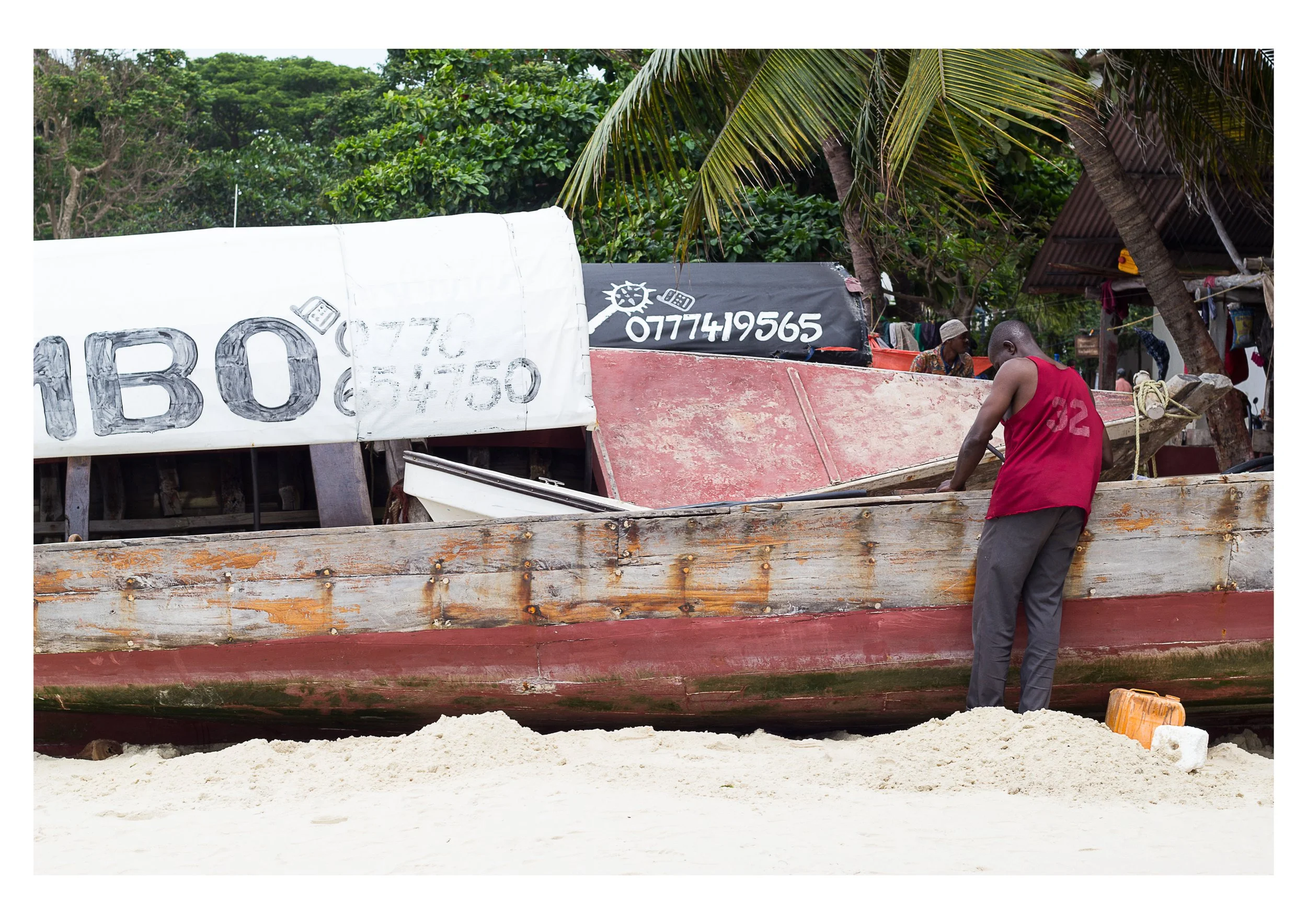
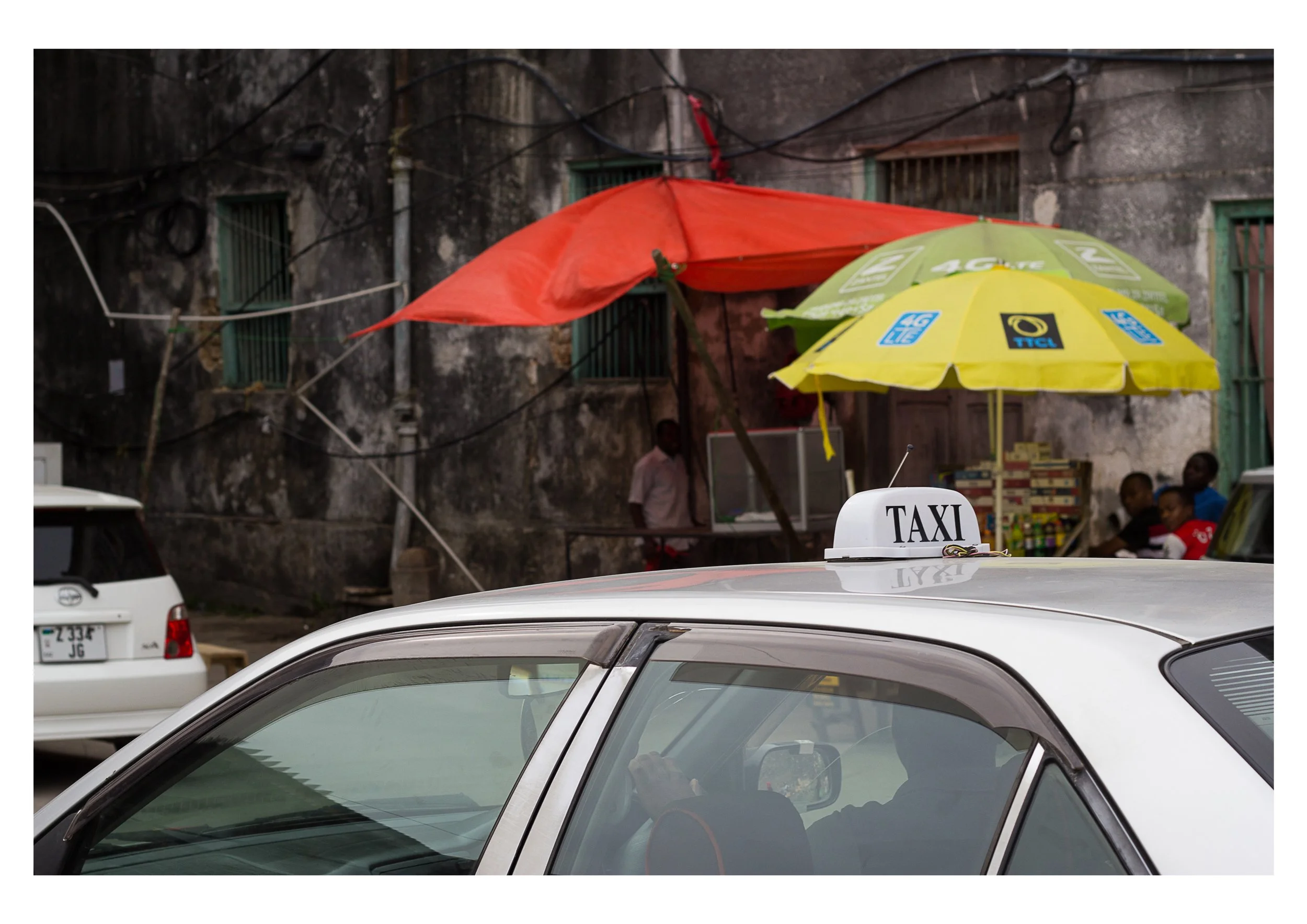
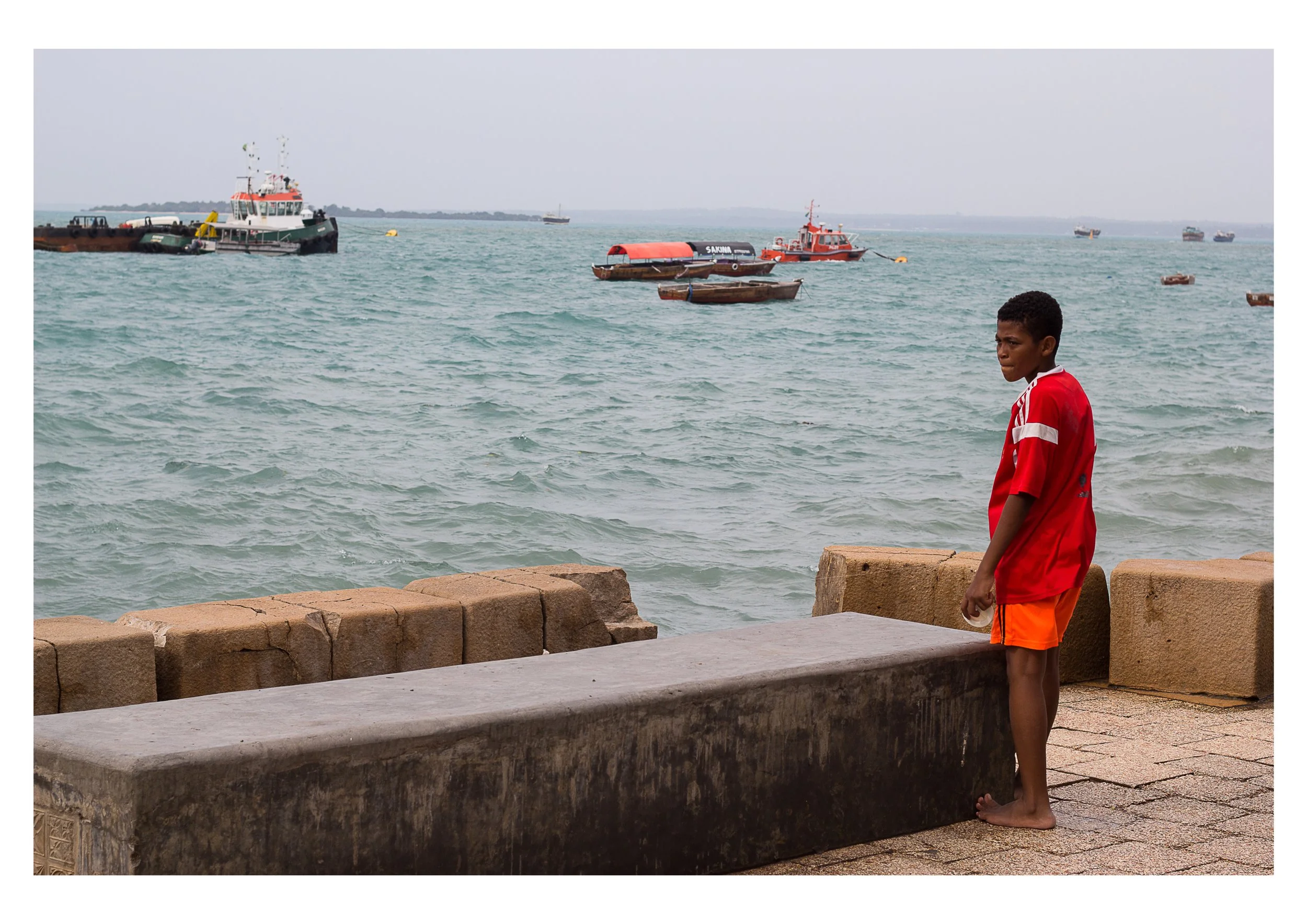
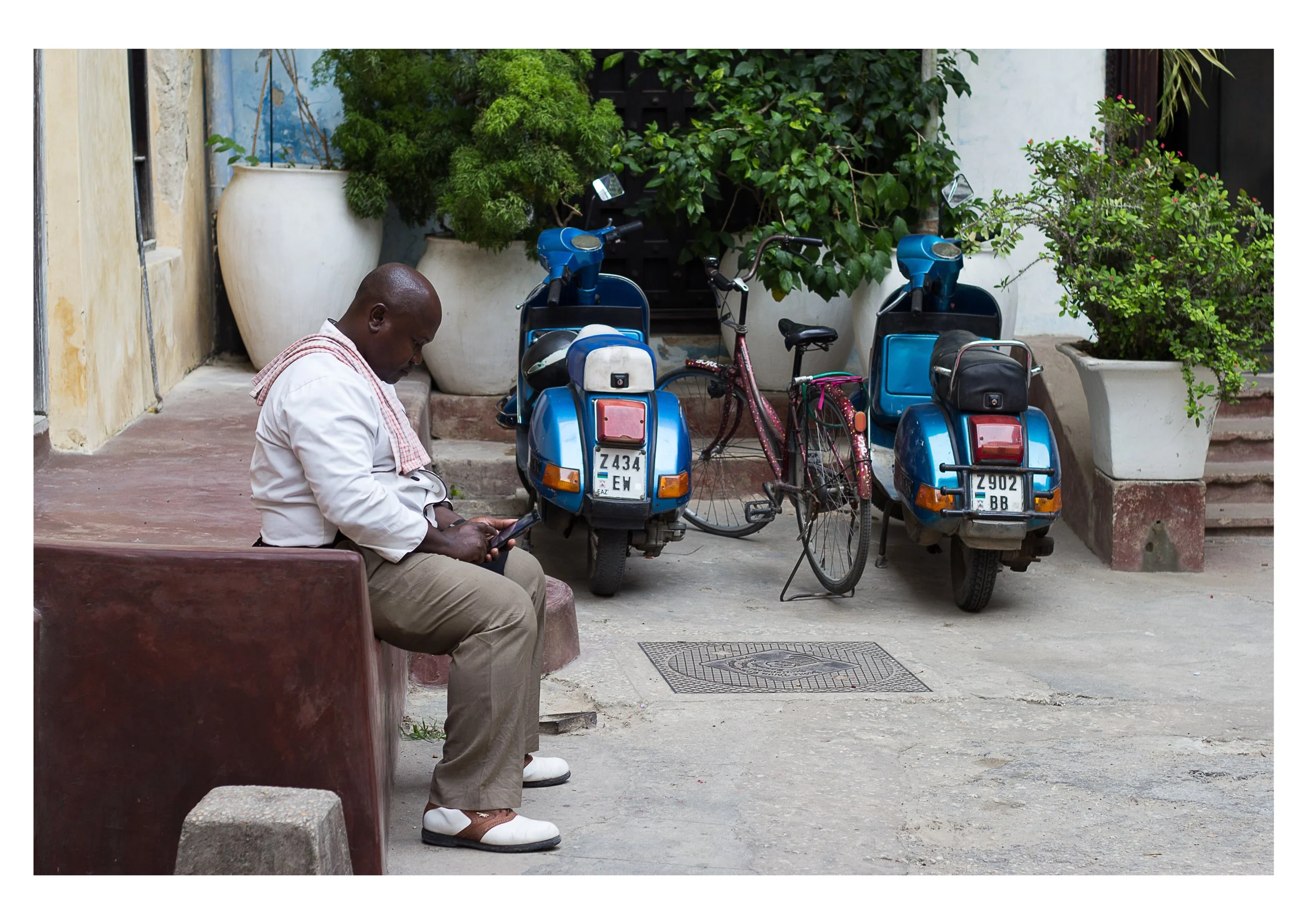
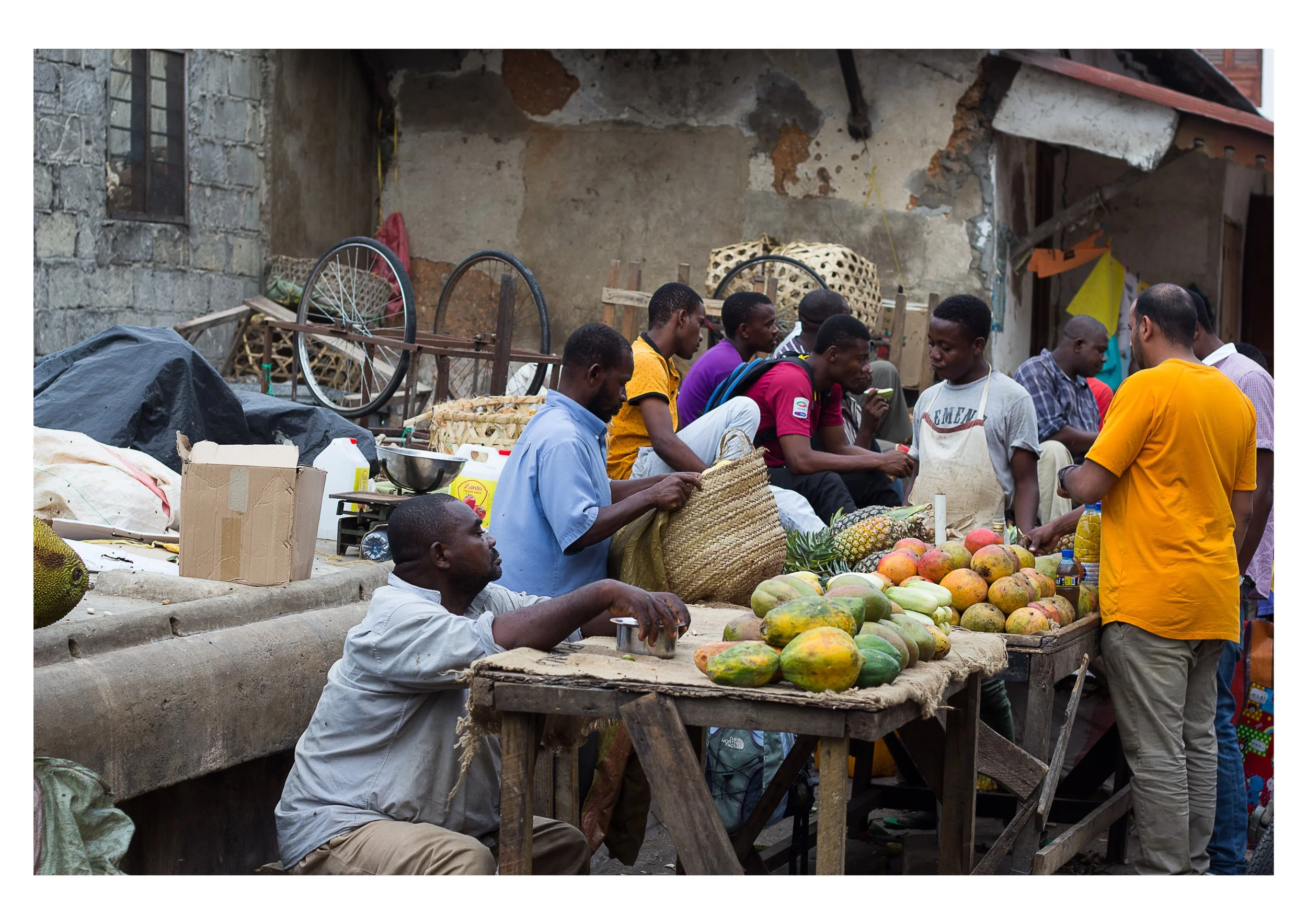
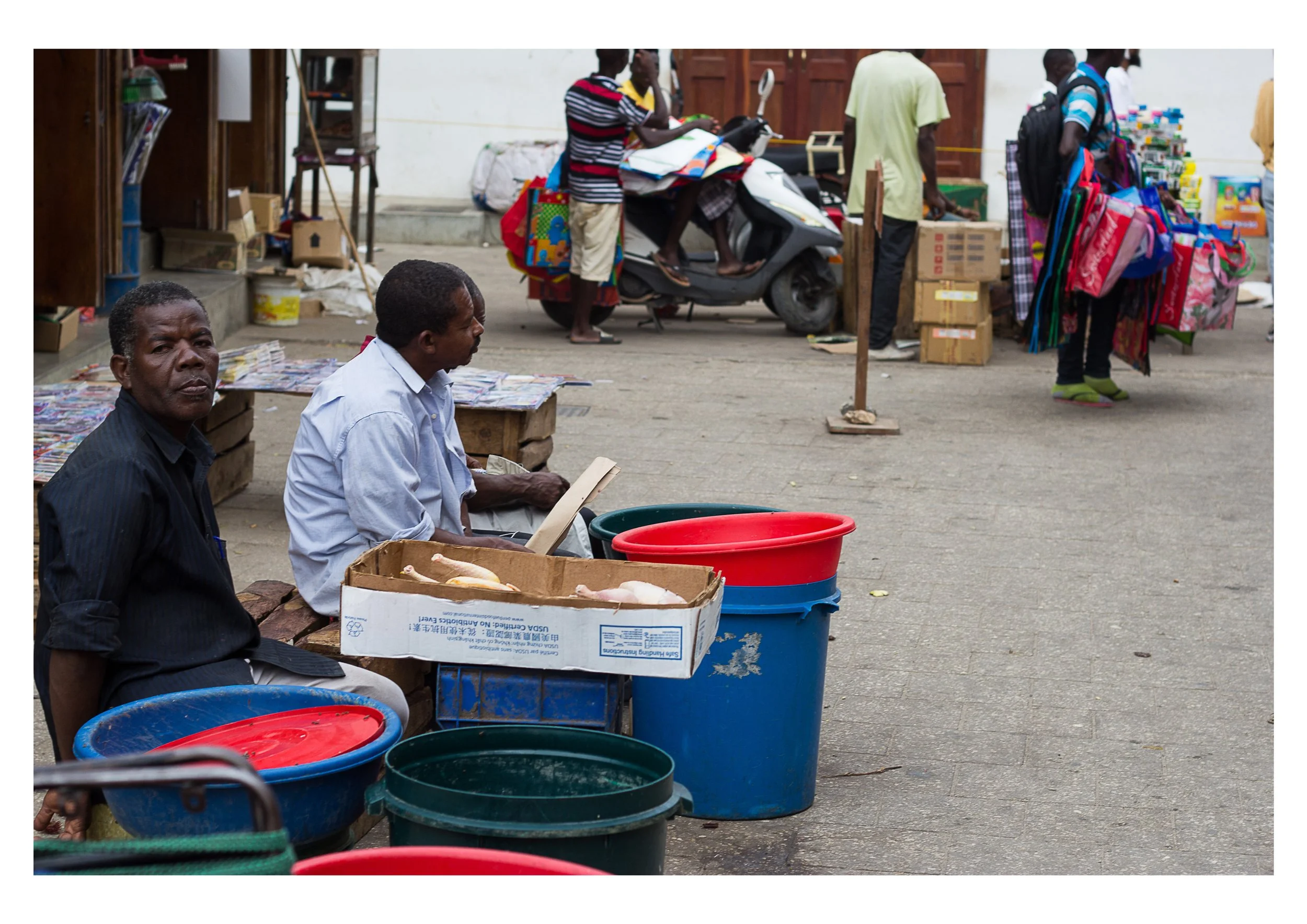
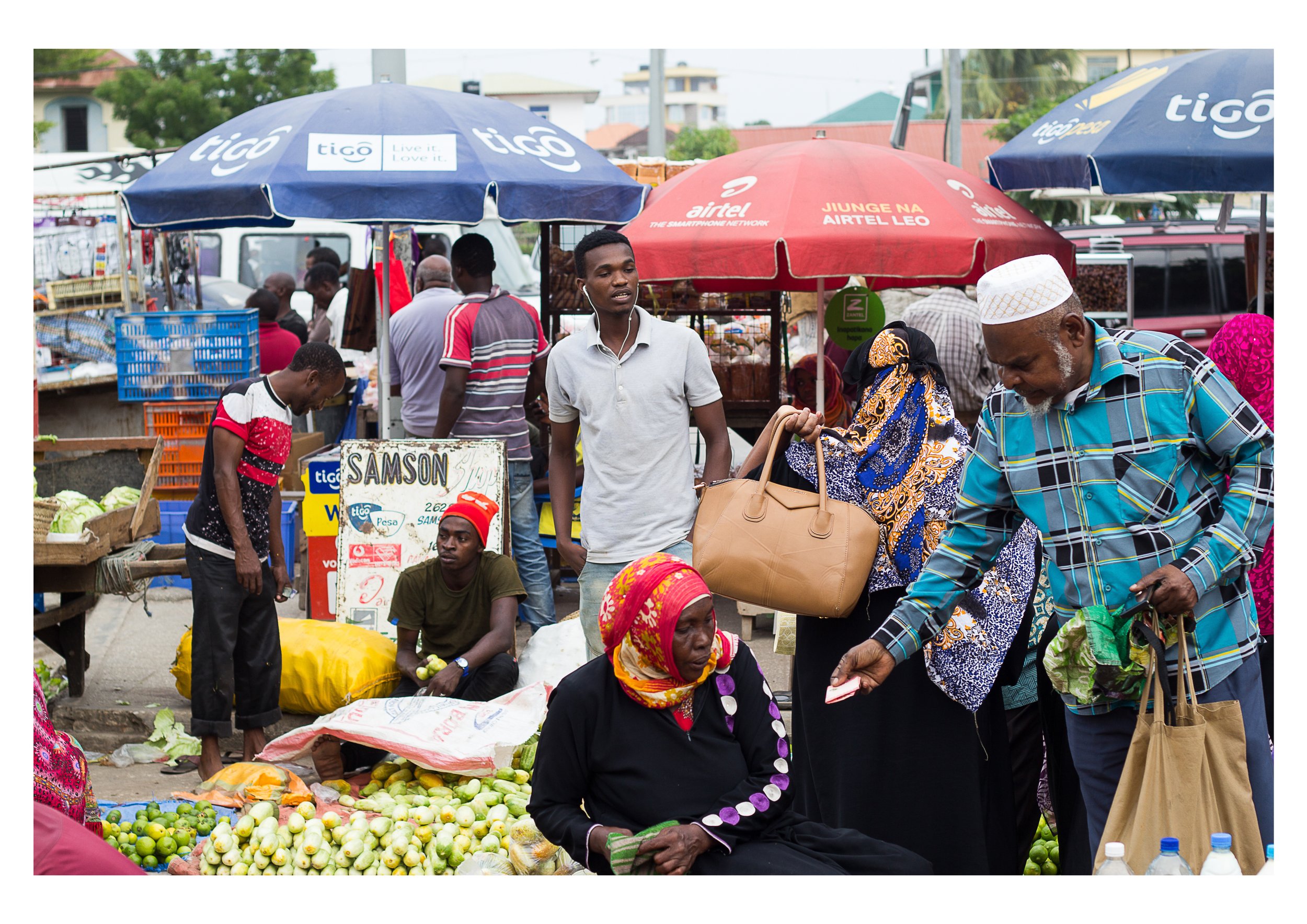
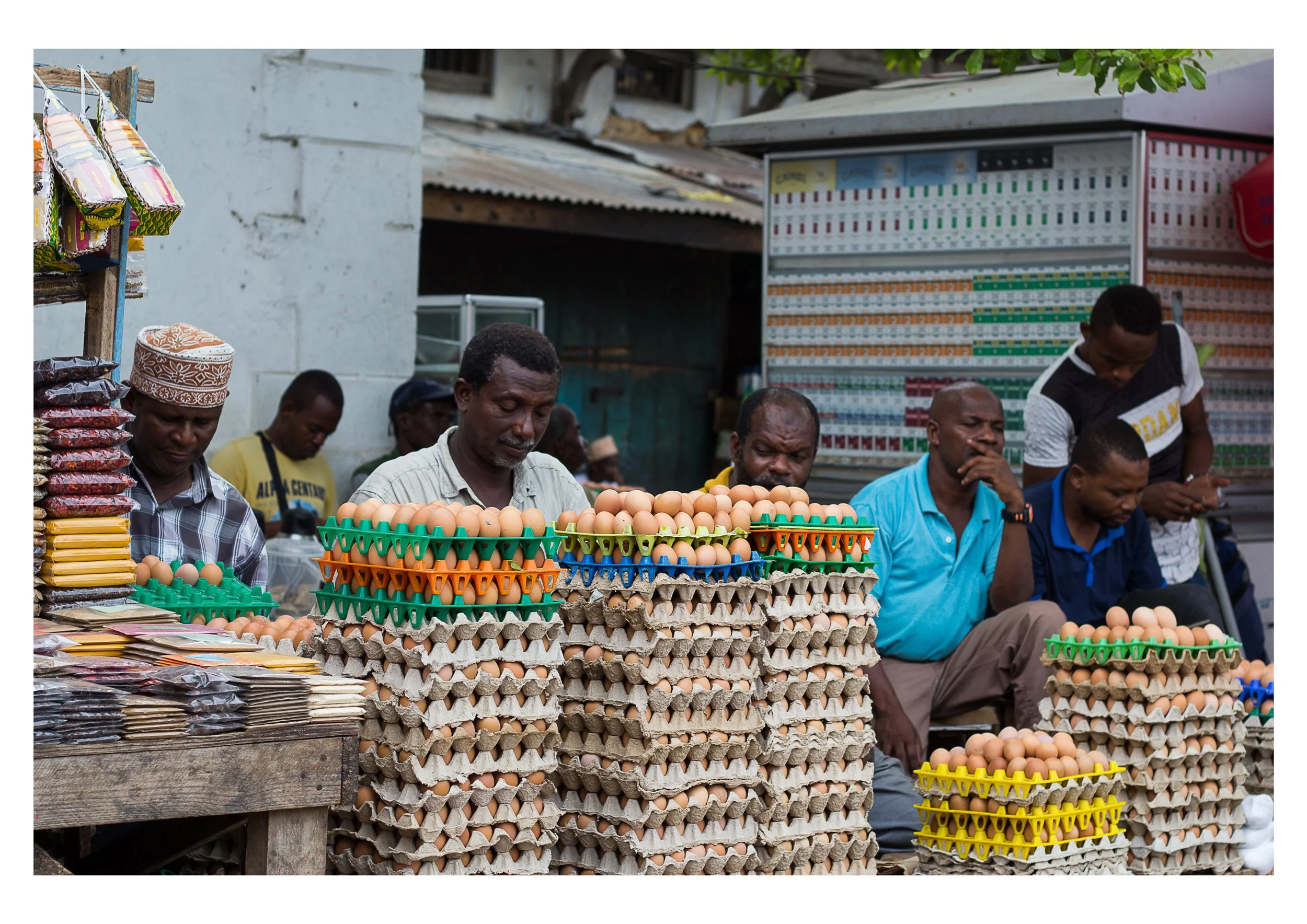
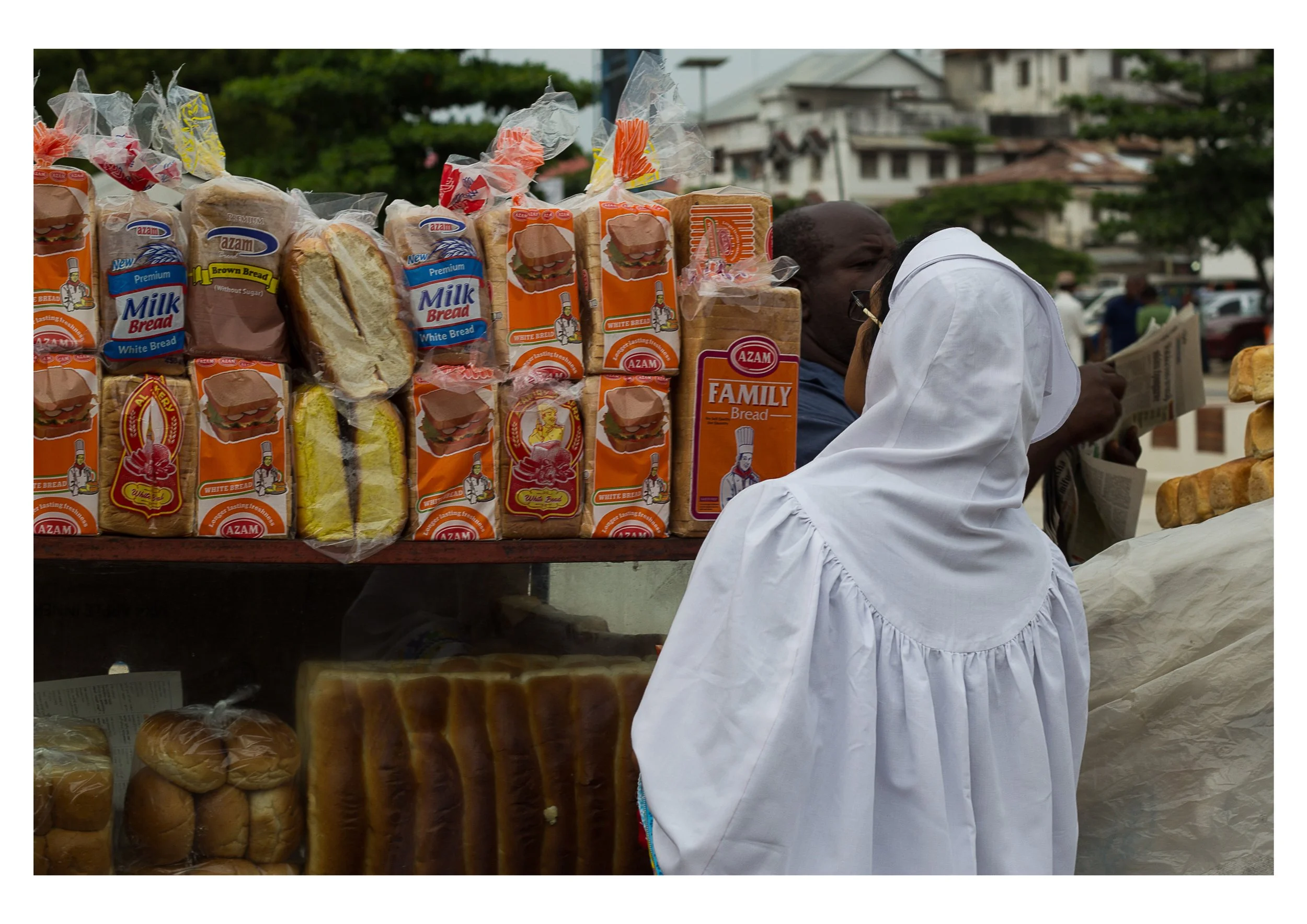
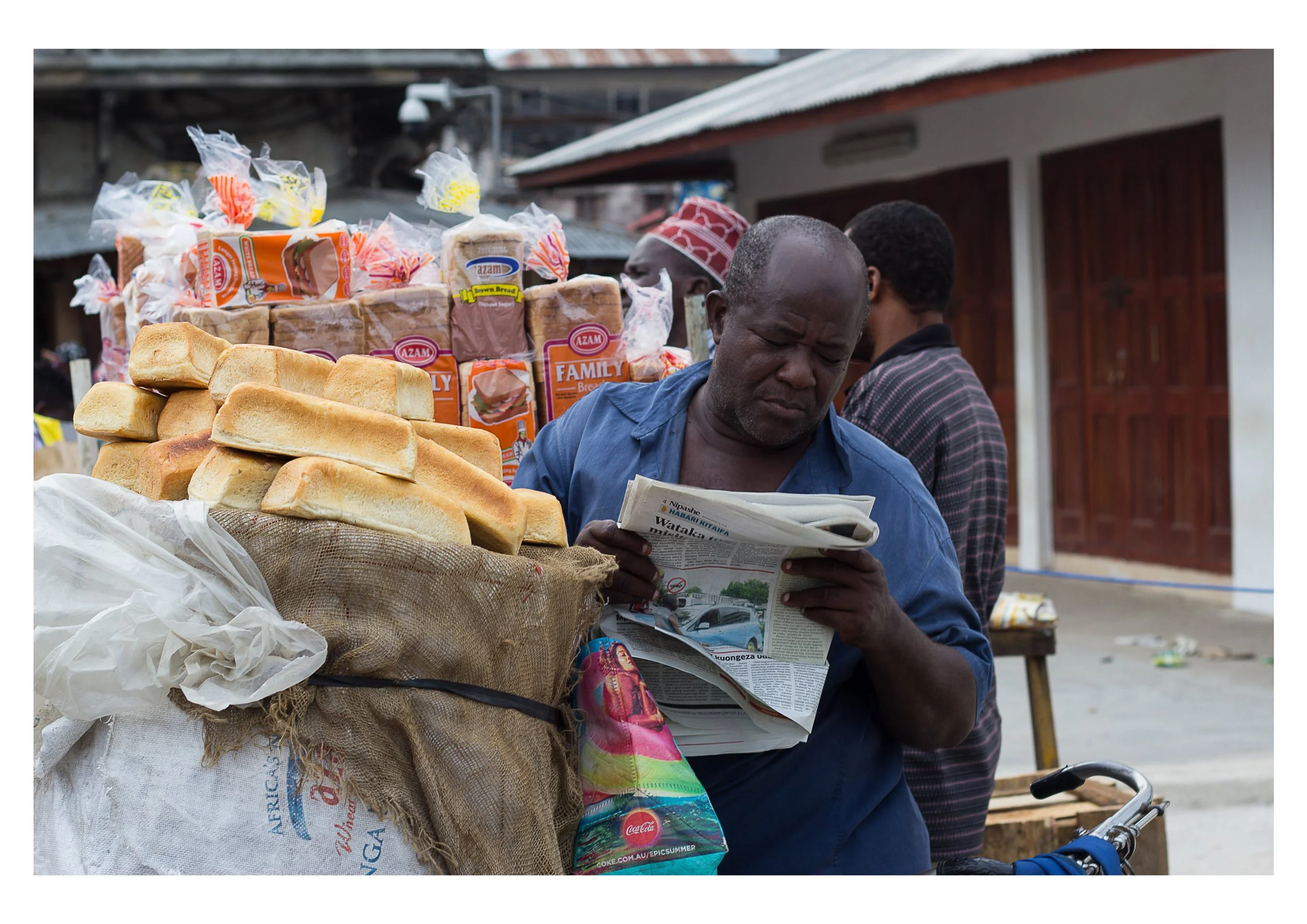
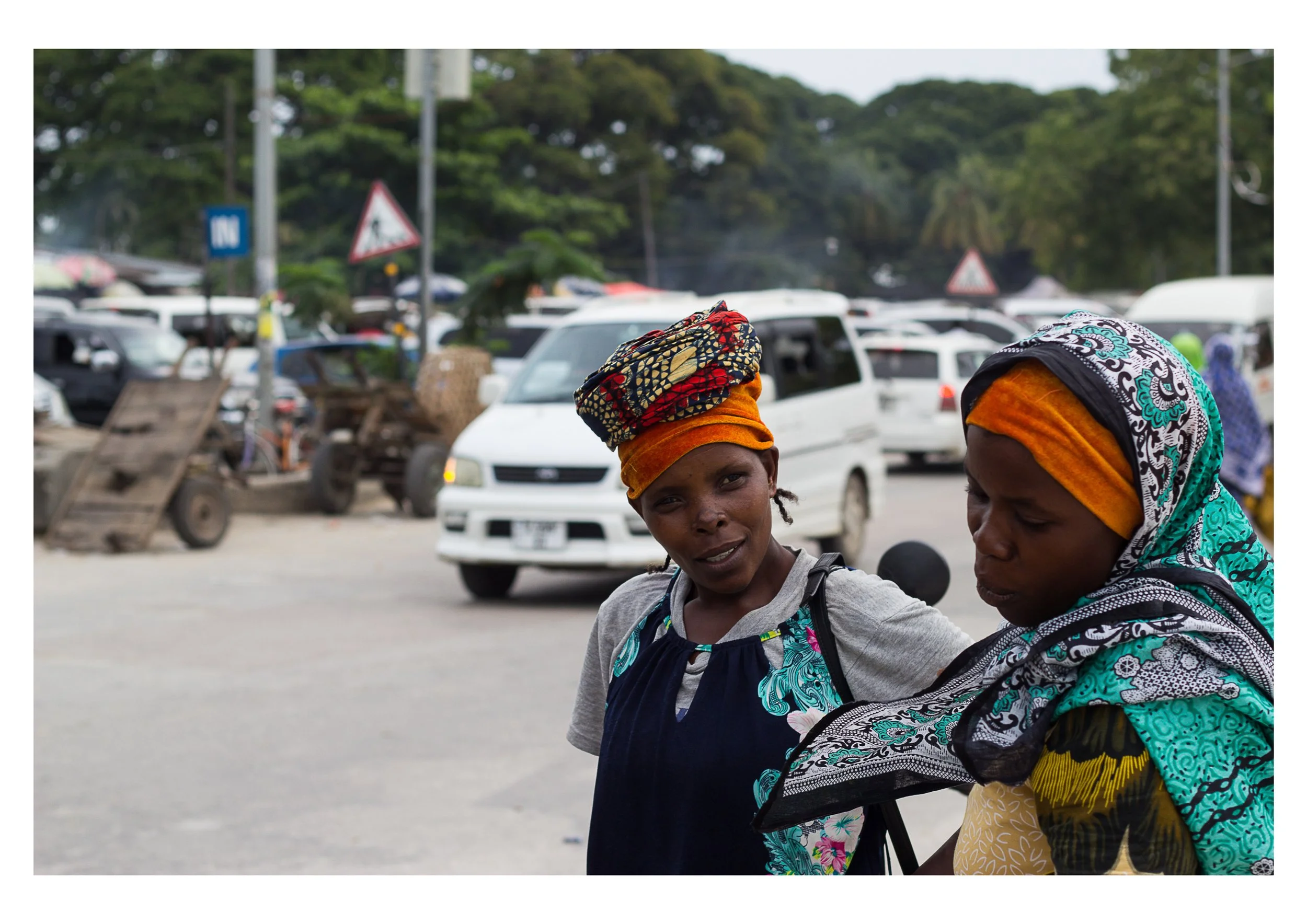
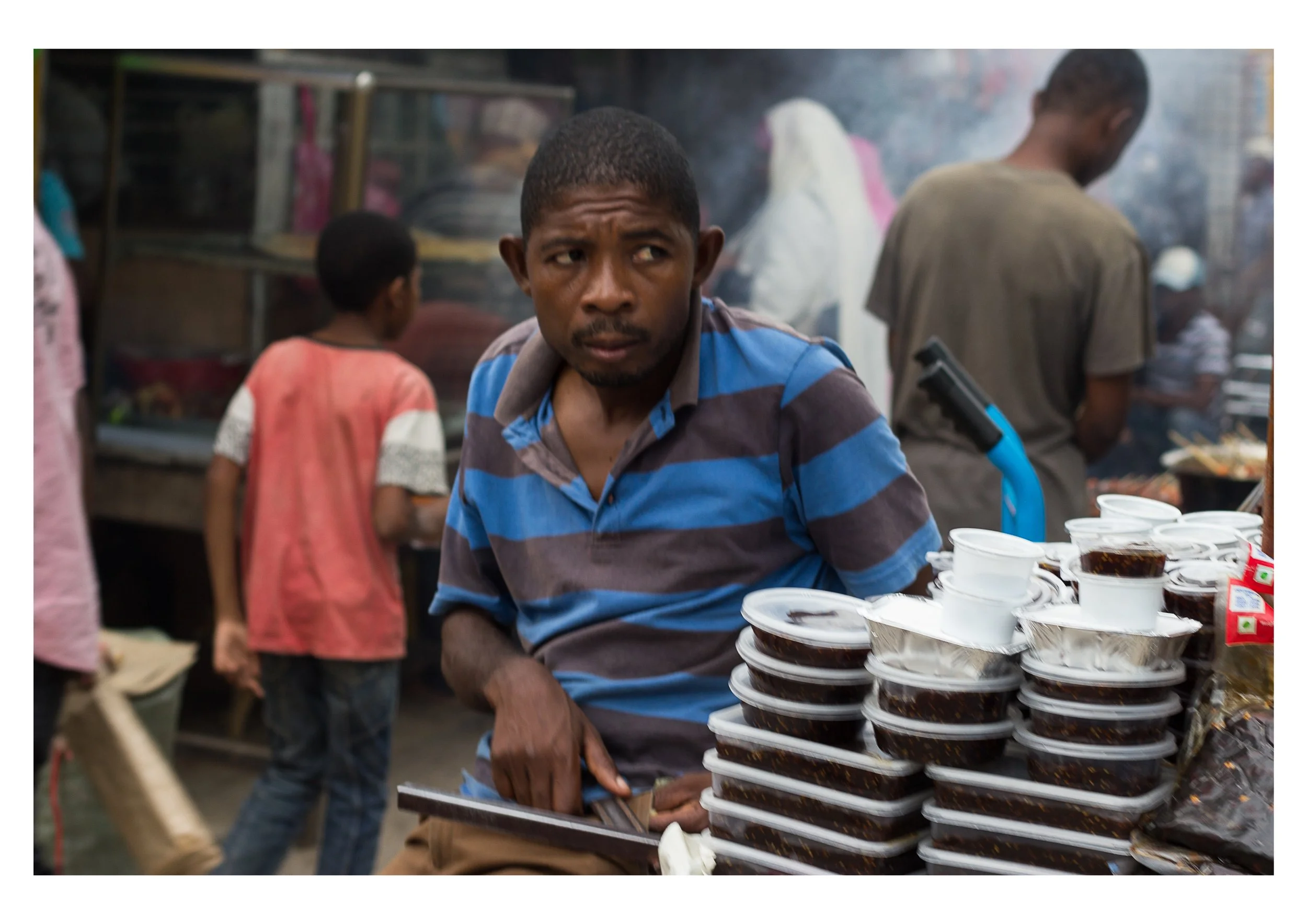
Fish glistened on market stalls beside cuts of meat hanging in the tropical heat, piles of newspapers stacked next to woven baskets overflowing with cloves, cinnamon and cardamom. Vendors called out to one another as scooters slipped through impossibly narrow streets, and the air carried the layered perfume of salt, spices and charcoal smoke.
What struck me most was the extraordinary mix of influences. Zanzibar felt unmistakably African, yet deeply shaped by centuries of exchange with the Middle East, India and Asia. Located along the eastern coast of Africa, the island had long served as a gateway between continents, a trading crossroads where merchants, sailors and cultures arrived with stories, religions, languages and rituals. Arabic architecture stood beside Indian balconies, African rhythms blended with Islamic traditions, and churches quietly coexisted near mosques.
There was something profoundly cinematic about it all, a place suspended between worlds, between histories, where cultures did not simply meet but intertwined. For a first step onto the African continent, Zanzibar felt less like an arrival in one place than an introduction to many at once.